2025: Climate Leadership Conference Recap
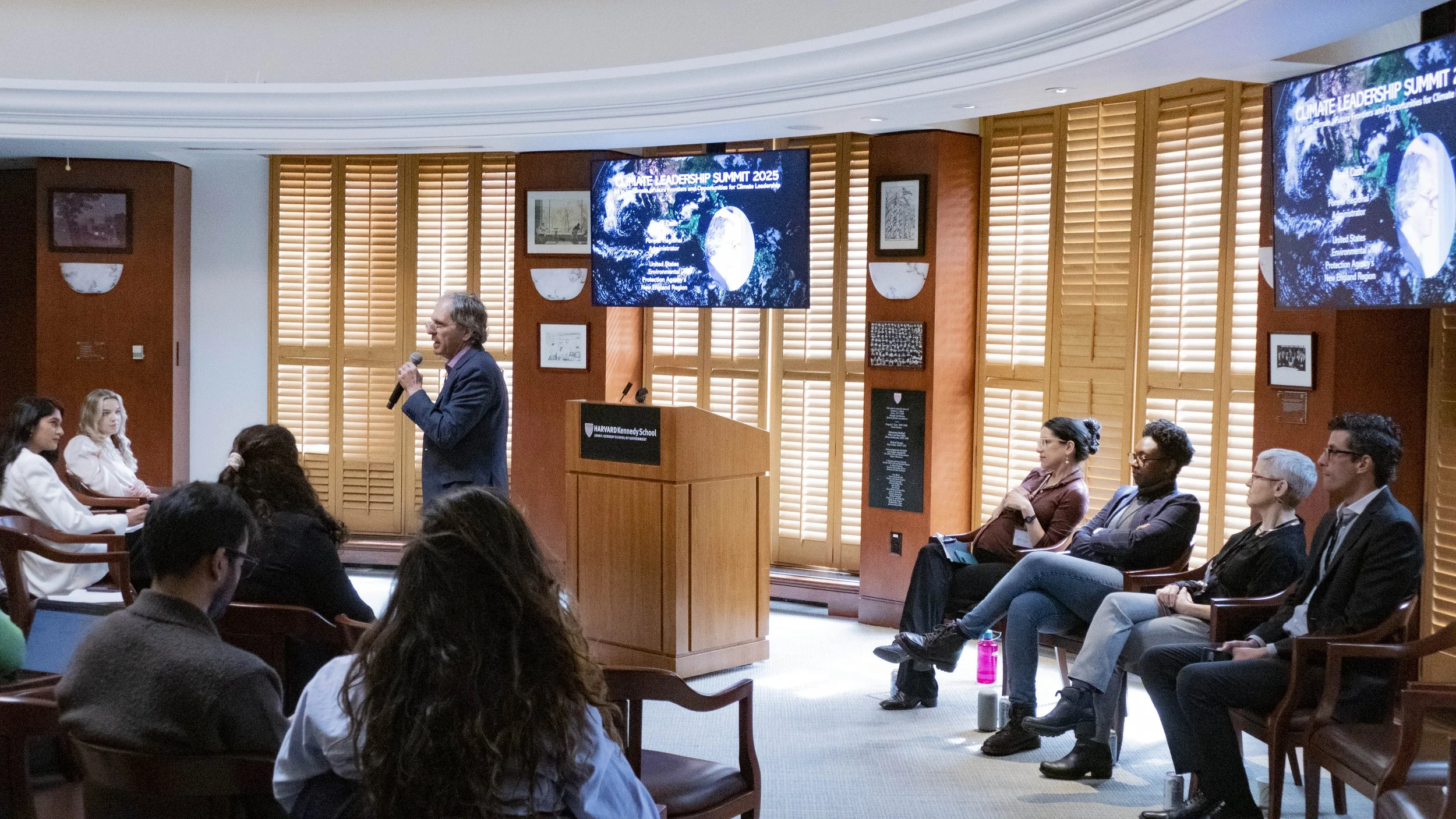
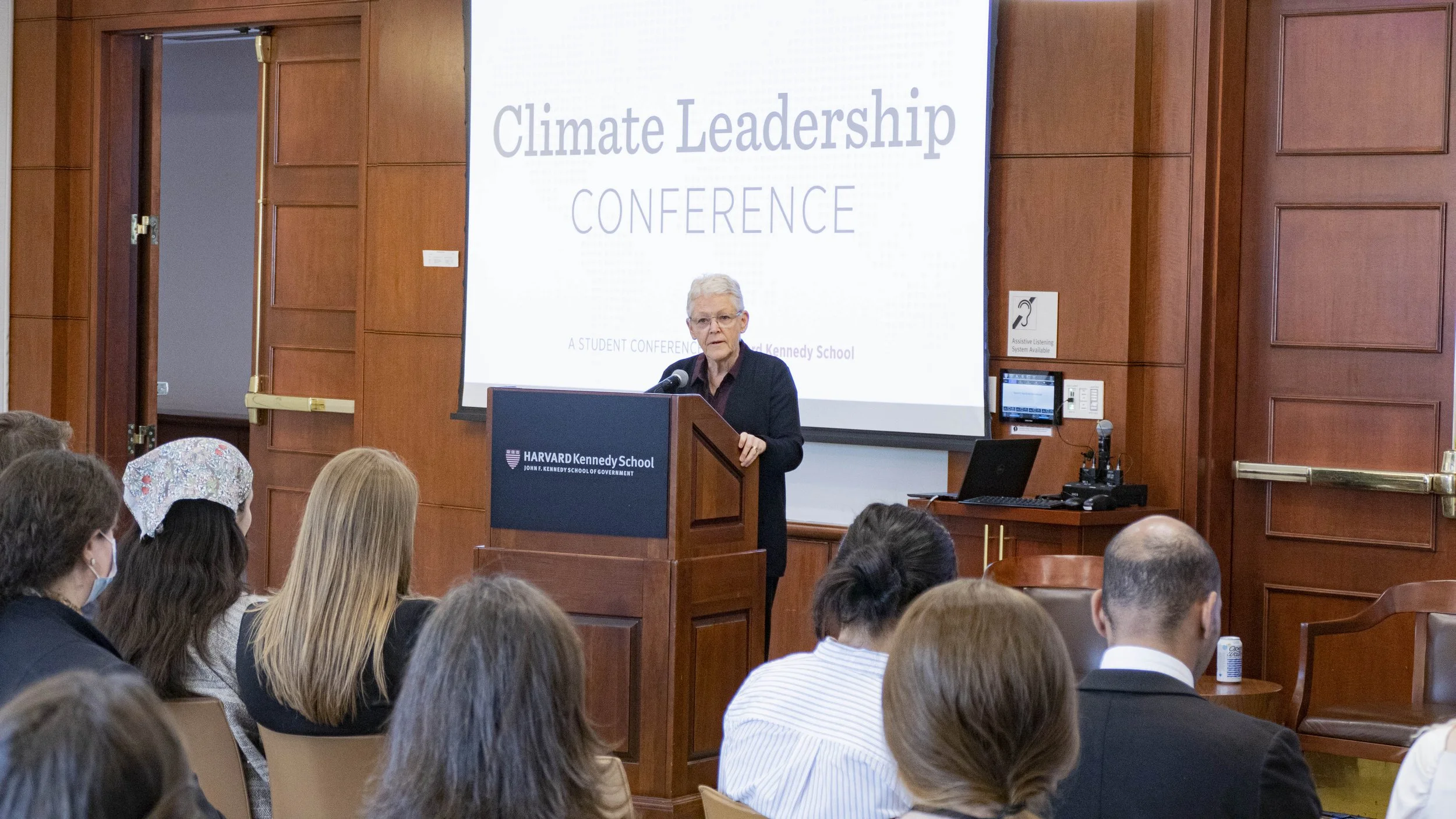
The CLC25 brought together leaders, practitioners, scholars, and students for a day dedicated to putting climate policy into practice. Former U.S. Environmental Protection Agency Administrator and White House National Climate Advisor Gina McCarthy delivered the opening keynote. Speakers and panelists offered perspectives from government, research, finance, and community organizations on the challenge of building a more resilient future.
The conference’s central message combined urgency with possibility. Discussions highlighted the roles cities, states, businesses, researchers, and communities play in putting solutions into practice. Attendees were encouraged to leave with a clearer sense of where they can take action and whom they can work with to advance climate progress.
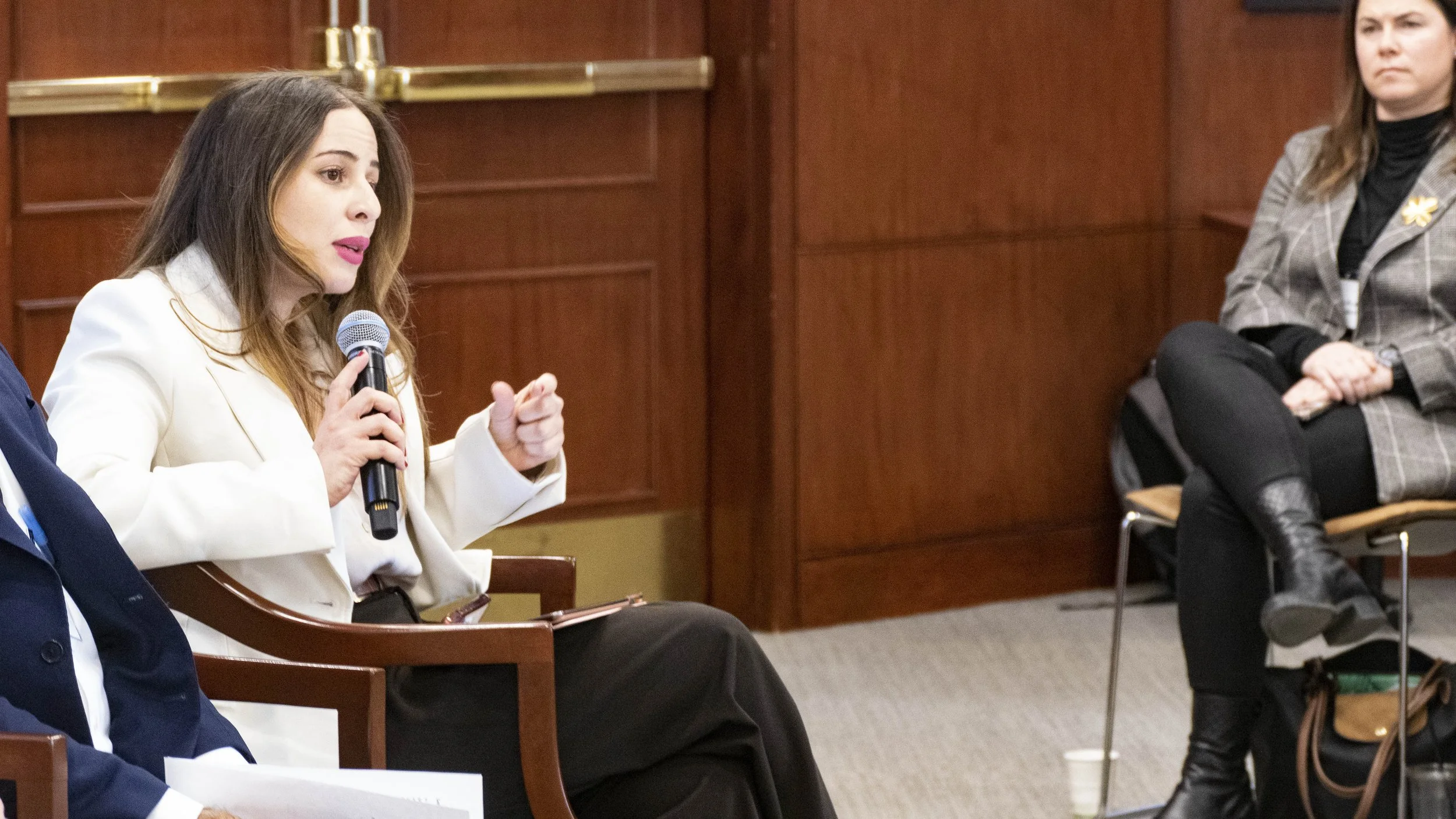
The program moved between local action and broader change. Kate Wright of Climate Mayors and former EPA Regional Administrator David Cash discussed climate leadership in government, while Nasser Brahim of the Mystic River Watershed Association and Boston climate resilience manager Zoe Davis grounded the conversation in community-led adaptation. Sessions throughout the day explored sustainable infrastructure, climate finance, state policy, artificial intelligence and energy, Arctic governance, fusion, and the blue economy.
Key themes from the conference:
Climate leadership requires implementation: Ambitious goals matter most when backed by practical steps, resources, and accountability.
Local resilience begins with communities: Boston and Cambridge practitioners emphasized the value of solutions shaped by local needs and experience.
Policy can advance progress at every level: City coalitions and state action remain essential to the climate response.
The energy transition requires both innovation and investment: New technologies need financing and infrastructure to scale.
Climate challenges span sectors and borders: Effective responses link environmental protection with economic, technological, and social decisions.
Learnings to take forward:
Involve communities early in the design of resilience and infrastructure projects.
Connect promising climate technologies with the policies and financing needed for deployment.
Look for opportunities to collaborate across government, research, business, and civil society.
Measure climate leadership by on-the-ground progress as well as by commitments made.