Advancing Solutions for Arctic Permafrost Change: Science, Policy, and Action
The Arctic is warming three to four times faster than the global average, driving rapid environmental change with consequences that extend far beyond the region. These shifts pose immediate challenges for Arctic ecosystems and infrastructure, while also creating broader risks for the global climate system through feedbacks that can accelerate warming worldwide.
Permafrost thaw is one of the most consequential aspects of this change. As frozen ground thaws, it damages infrastructure and ecosystems, disrupts Arctic landscapes, and releases long-stored carbon that can further accelerate global warming. Thaw also transforms Arctic hydrology, increasing runoff and transporting stored carbon through rivers and coastal waters, creating ripple effects across the broader climate system.
This panel will bring together permafrost experts to examine the complex impacts of thaw and how evolving scientific insights can inform decision-making. Drawing on experience at the science–policy interface, the discussion will explore strategies for connecting researchers and policymakers, aligning scientific findings with governance needs, and effectively delivering permafrost information to those shaping policy. The emphasis will be on moving from knowledge generation to implementation.
Special Event
11:15am-12:30pm
Nye B
Panelists
-
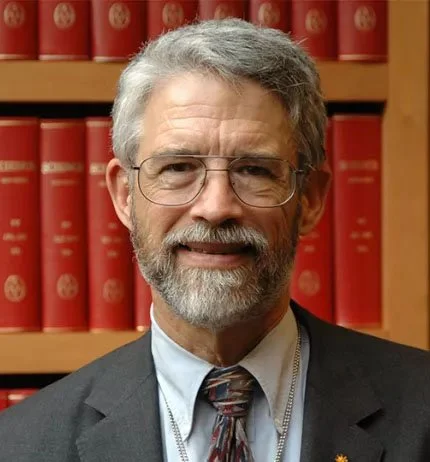
Dr. John P Holdren
Dr. John P Holdren is the Teresa and John Heinz Research Professor of Environmental Policy at Harvard’s Kennedy School of Government and Co-Founder and Faculty Co-Chair of the Arctic Initiative in the School’s Belfer Center for Science and International Affairs. He is also the lead for Harvard’s participation in the $41-million, 6-year Permafrost Pathways Project and a member of the Polar Research Board of the National Academies of Science, Engineering, and Medicine. He was President Obama’s Science Advisor and Director of the White House Office of Science and Technology Policy through both Obama terms, where his responsibilities included chairing the interagency Arctic Executive Steering Committee and co-chairing the National Ocean Council and the Council on Climate-Change Preparedness and Resilience. In September 2016, he hosted at the White House the first Arctic Science Ministerial, with representation from 22 nations and five pan-Arctic Indigenous organizations
-
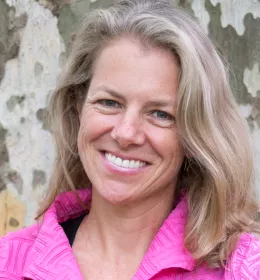
Margaret Williams
Margaret Williams is a Senior Fellow at the Belfer Center's Arctic Initiative. Williams has worked for over 25 years on conservation issues in Russia and Alaska. She joined the Arctic Initiative from the World Wildlife Fund (U.S.), where she established and served as the Managing Director of the Arctic Field Program, a biodiversity conservation program in marine and coastal ecosystems spanning U.S.-Russian-Canadian boundaries. She chaired WWF's global Arctic team from 2004-2006 and remained an active contributor to WWF's global Arctic program. In addition to her more than two decades of leadership at WWF, Williams served as a Member of the Polar Research Board of the National Academy of Sciences from 2018- 2022. She is also a lifetime member of the Council on Foreign Relations. Her commentary and analysis have been featured in major news outlets such as The Washington Post, The New York Times, and Time. She holds a Master of Environmental Studies (MES) from the Yale School of Forestry and Environmental Studies and a BA in American Studies from Smith College.
-
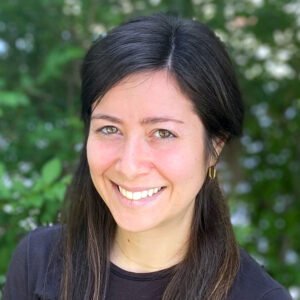
Melissa Shapiro
Melissa Shapiro currently works as an Arctic Policy Specialist at the Woodwell Climate Research Center. She is a lawyer and policy advocate dedicated to advancing holistic and innovative solutions to climate change in the Arctic. As part of Permafrost Pathways, she works to ensure that permafrost thaw processes and impacts are reflected in equitable and actionable government policies.
Her work centers on strategic collaboration with leading permafrost scientists, policy experts, Arctic Indigenous knowledge-holders, and decision-makers across all levels of government. She leads the development of science–policy briefs and outreach materials, contributes to permafrost-focused policy discussions, and supports adaptation and mitigation strategies in response to a rapidly warming Arctic.
Over the past decade, she has contributed to policy responses addressing some of the world’s most pressing environmental challenges. Her career began at the U.S. Environmental Protection Agency’s Office of General Counsel, where she partnered with scientists and policymakers to implement environmental safeguards consistent with statutory authority. She later worked with leading academic institutions to advise national and international community-based organizations advocating for environmental policy change.
This work builds on a longstanding commitment to human rights, including experience with the United Nations supporting countries in guaranteeing universal access to food that is nutritionally adequate, culturally appropriate, and sustainably produced. Guided by a belief in collective responsibility to leave the world better than it was found, Melissa focuses on fostering cooperation and facilitating collaboration between scientific and policy communities.
-
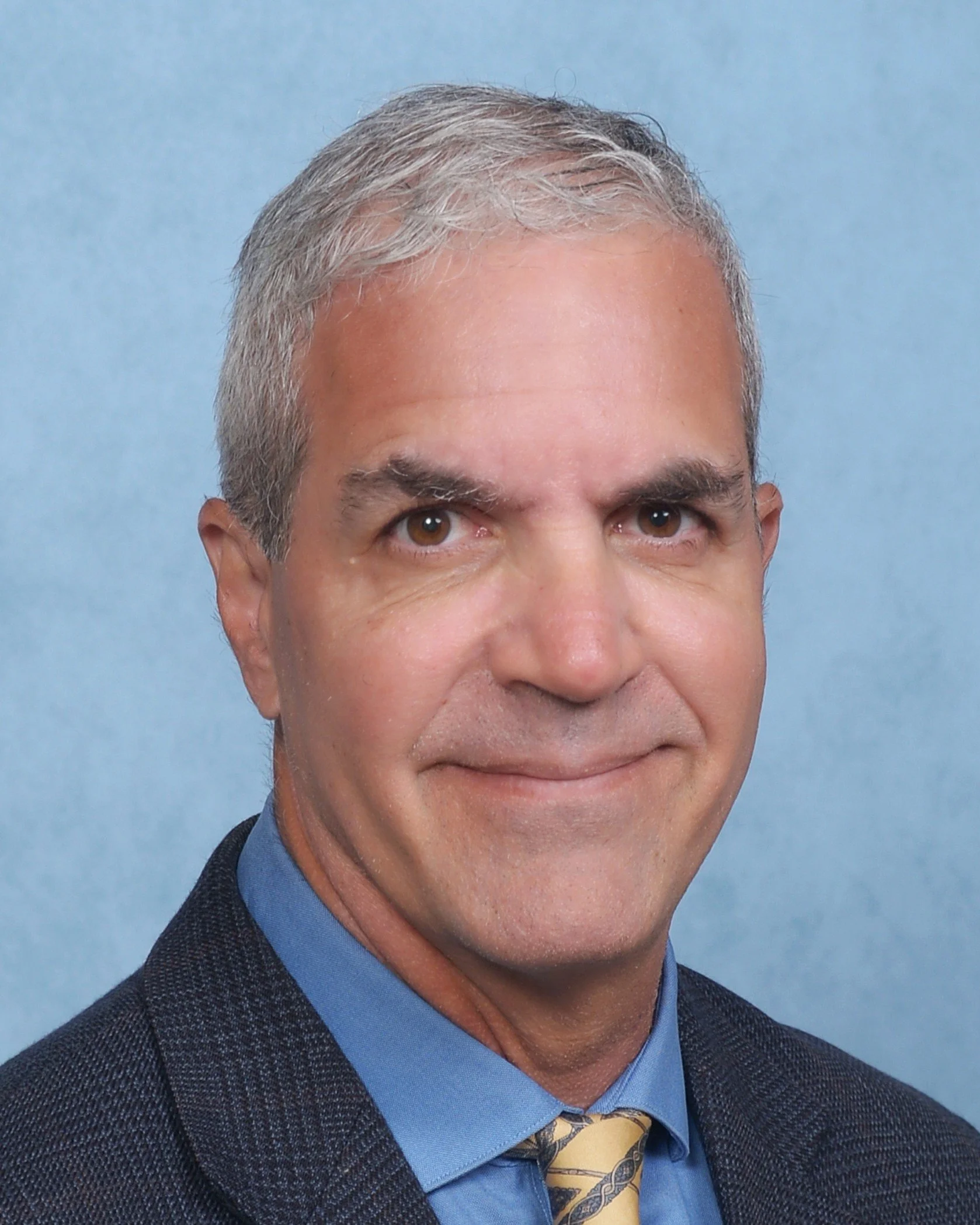
Dr. Michael Rawlins
Dr. Michael Rawlins is a professor of climatology at the University of Massachusetts, Amherst. His research centers on advancing knowledge of earth’s energy, water, and carbon cycles, with a specific interest in the terrestrial hydrology of Arctic environments. He is an investigator on projects focused on understanding how climate change, permafrost thaw, and intensification of the water cycle are altering land-to-ocean flows of water and associated materials across Arctic environments. Working across a diverse array of stakeholders, he has served for more than three decades on policy boards and research teams convened by the U.S. National Science Foundation and the National Aeronautics and Space Administration commissioned to identify opportunities for new research paths and to establish priorities for mission science objectives. He has taught Climate Dynamics at the University of Massachusetts since 2010, and is a frequent source of information for news organizations seeking expert opinion on weather anomalies and expectations for climate change in a warming world.